
You’ve come to the right place! Whether you’re looking to improve your architecture photography or diving into it for the first time, this definitive guide is your perfect starting point.
This comprehensive resource is designed to answer all your questions and establish a solid foundation for everything you need to know about architecture and interior photography in 2026, with fully updated insights and tips.
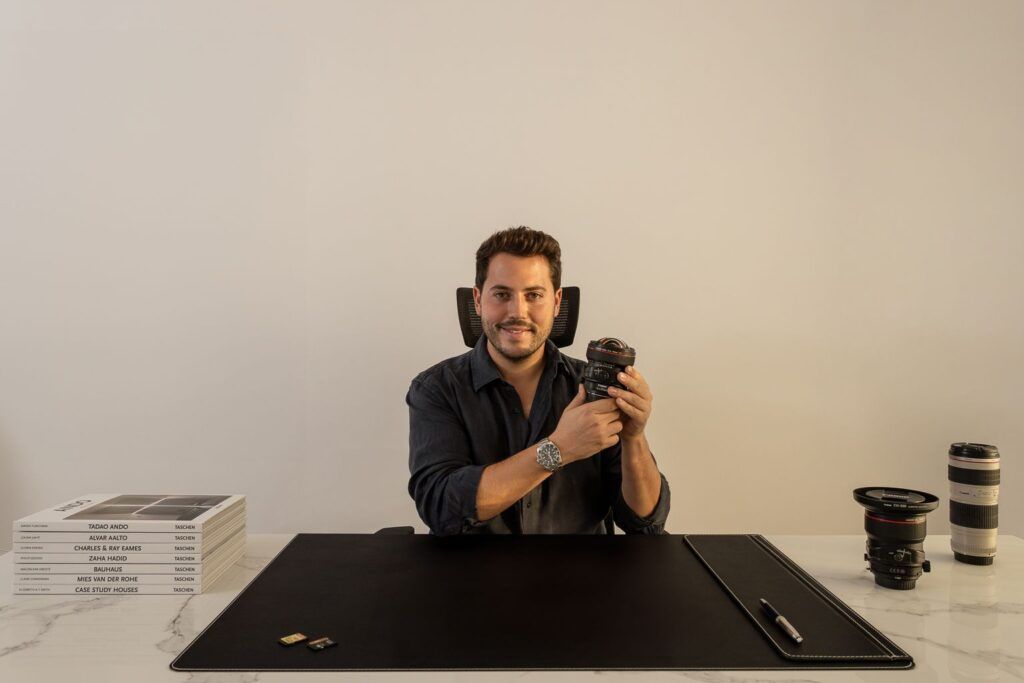
Why Architecture Photography Matters
Every architectural photographer and enthusiast dreams of capturing breathtaking shots of architecture. But how do you take truly stunning photos of buildings and architectural spaces?
This ultimate guide covers everything you need:
- Composition techniques
- Lighting mastery
- Advanced production methods
- Essential gear recommendations
- Tips and tricks to accelerate your learning process
All of this knowledge comes straight from the perspective of a professional architecture photographer actively working in the field.
Unlock the Secrets to Stunning Architectural Photography
By following the advice in this guide, you’ll learn to create photos that genuinely capture the essence of architecture — from grand facades to intricate interiors. Whether you’re a beginner or an experienced photographer, you’ll pick up new techniques and refine your skills to shoot like a true professional.
Share This Guide Before It Becomes Exclusive!
Important: This guide will soon become a paid resource. Take some time to dive into the content now and share it with others who might benefit.
Spread the word by sharing the following link on your social media, or send it to friends and family who are passionate about architecture photography:

History of Architectural Photography
Let’s start by briefly mentioning the history of photography, in case you’d like to expand your knowledge on your own before diving into more practical subjects.

What is Architectural Photography?
Architectural photography has remained popular over the years, which comes as no surprise given the significance of architecture in our world and daily lives.
Architectural photography, or interior photography, primarily focuses on documenting the structures, designs, and creations of various spaces and projects executed by architects, interior designers, and other professionals involved in the process, such as real estate agencies, construction companies, and other stakeholders.
Photography in architecture and its history play a fundamental role.
If you are curious about the origins of architectural photography, I recommend learning about two key figures who, in my personal opinion, were its main pioneers:
Julius Shulman and Ezra Stoller. These two photographers laid the foundation for the architectural photography we know today.

Buildings do much more than provide us with shelter. They are also works of art and enduring cultural symbols.
Architectural photography initially emerged as a way to document buildings, but along the way, it evolved into an art form of its own.
What is Architectural Photography?
Architectural photography, also referred to as building photography or structure photography, is commonly defined as photography that focuses on buildings, structures, and other man-made objects. It is a specialized field of photography that requires a unique set of skills and knowledge.
Architectural photographers must possess a keen eye, as their photos need to capture not just the beauty of a building but also its shape and functionality. They must also excel at analyzing natural light, as it can create a distinct and differentiating atmosphere within a photograph.
Additionally, architectural photographers must have a strong sense of composition, as their photos often look best when captured from a specific viewpoint that highlights the building or space at its finest.
In summary, architectural photography is a highly specialized and artistic form of photography that requires much more than simply pointing and shooting.
It encompasses photographing both the interiors and exteriors of buildings, their surrounding context, as well as bridges, other structures, constructions, and urban landscapes.

The Work of Architectural Photography Specialists
What exactly do specialists in architectural photography do?
Many professionals capture stunning architectural photographs.
Some pursue it purely as an artistic endeavor or hobby, while others make it their lifestyle and profession, working for clients such as major architecture firms, companies, construction firms, real estate agencies, hotel photography projects, interior designers, and architectural magazines.
Architectural Photography on Instagram
Here are three architectural photography professionals you should follow on Instagram:
- Fernando Guerra (Portugal)

- Emma Peter (Canada)
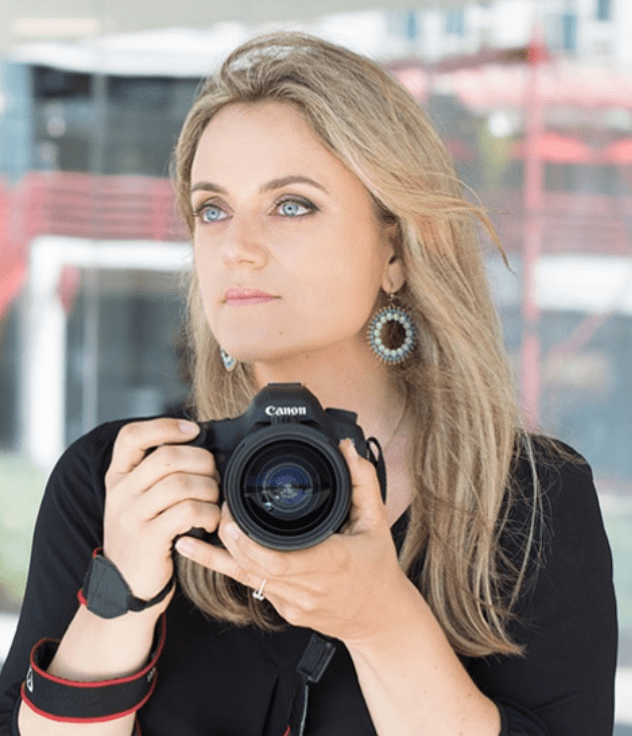
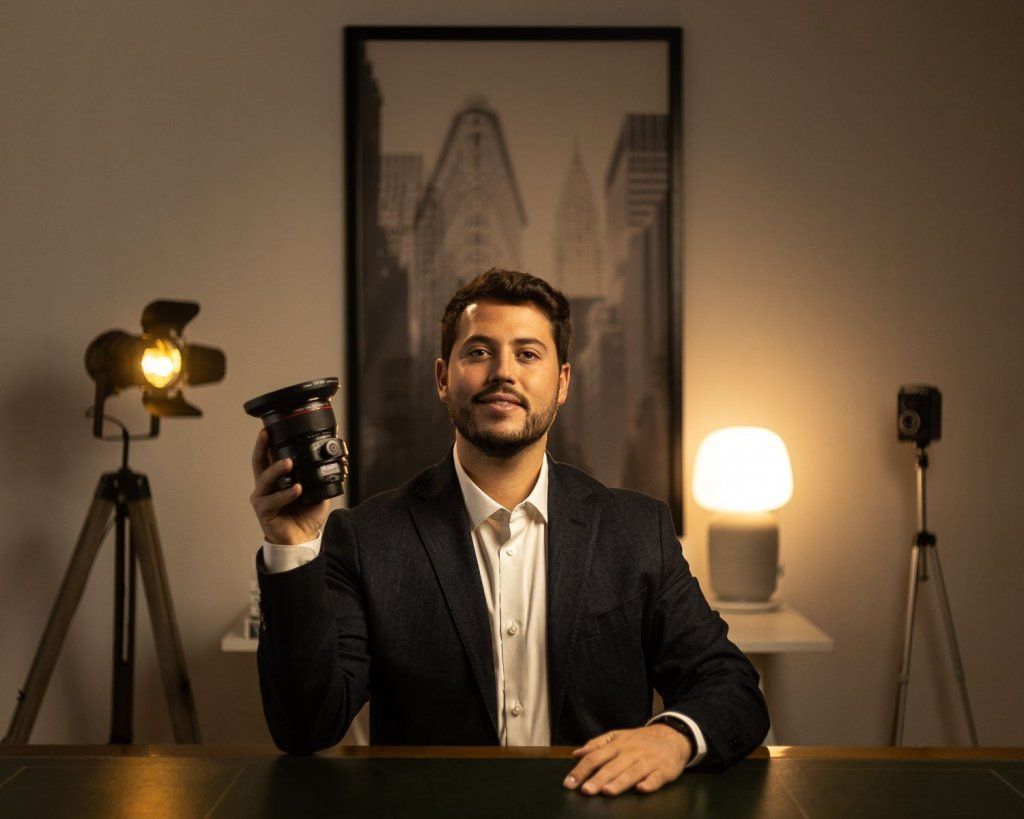
- Nacho Villa (Spain) – Architectural Photography Specialist
As the creator of this guide, I’ve taken the liberty of including myself so you can get to know my photographic work and follow me on Instagram: @nachovillafoto. After putting together all this content, it would be great to have you as part of my network on social media!.
If you want to capture great images like these architectural photography specialists, you need to train your eye and develop your architectural vision.
For this reason, it is highly recommended to follow them on architectural platforms and social media, such as Instagram, to learn from their images and compositions.
Equipment and Camera for Architectural Photography
Are you considering pursuing a career in the niche of architectural photography?
Or perhaps you’re just looking to expand your portfolio with some architectural shots. Here’s a breakdown of the basics you need to get started:

If you’ve made it this far, you’ve probably asked yourself some of these questions:
- What is the best camera for architectural photography?
- What cameras do the most famous architectural photography specialists use?
- Is equipment for architectural photography very expensive?
- Which lenses and objectives are the best for architectural photography?
One great advantage of architectural photography is that the subject does an excellent job of staying still.
When looking for a camera specifically for photographing structures, you won’t need to worry about features aimed at action or portrait photographers.
For example:
- A very high shutter speed is not necessary for architectural photography.
- Technical features like fast continuous shooting modes, advanced autofocus systems, or face-tracking technology are also unnecessary.
Recommended Camera Equipment for Architectural Photography
If you’re interested in seeing specific recommendations for gear and cameras tailored for real estate and architectural photography, I suggest checking out The Guide to Equipment and Cameras for Real Estate Photography.
The Ideal Camera for Architectural Photography
I recommend looking for a high-quality camera body—either a DSLR (Digital Single-Lens Reflex) or a mirrorlesscamera.
DSLRs with full-frame sensors have long been the standard for architectural photography. These cameras provide:
- High-quality images
- Strong control over perspective
Both features are essential for capturing the precision, detail, and scale that architectural photography demands.

Currently, brands are undergoing a transformation from DSLR “Reflex” cameras to the mirrorless system, improving even on the features of traditional DSLRs and expanding their functionalities.
If you already have a full-frame DSLR camera, that’s great! However, if you are considering buying a new camera for architectural photography, I recommend choosing one of the new mirrorless models, such as the Sony A7 V or the new Canon EOS R5 II, Fujifilm GFX 100 II.
If you prefer a DSLR “Reflex” camera, I recommend the Canon 5DSR.
Lenses for Interior Architectural Photography
It is better to have a variety of lenses for architectural photography at your disposal.
Zoom lenses make it easier to capture detailed images of architectural features that might otherwise be difficult to reach (such as a statue on a building’s rooftop or intricate ironwork on a façade).
Prime lenses offer sharp images with minimal distortion.

Wide-angle lenses are also useful for photographing structures. They can be incredibly helpful when capturing a massive structure or shooting interiors in tight spaces.
The Downside of Wide-Angle Lenses:
Wide-angle lenses tend to cause more distortion around the edges, which makes the straight lines of a building appear curved.
However, you will have more room to crop when needed, and the distortion can be easily corrected in post-productionusing architectural editing software.
Special Lenses for Architectural Photography
Tilt-shift lenses are the most popular choice for architectural photography.
These lenses allow you to adjust the angle of the lens independently from the camera body, offering significant advantages.
Tilt-shift lenses are especially useful for avoiding perspective distortion, which causes vertical lines to appear as if they converge when photographing tall buildings.

Tilt-shift lenses can also be used to create a miniature or model effect, which can add an additional creative perspective to your architectural photography portfolio.
The Ideal Tripod for Interior Architectural Photography
A tripod is essential. All architectural photography specialists use one in their projects, and it is particularly important when photographing interiors.
The tripod is usually proportional to the price of the camera it supports.
If you’ve invested several thousand euros in a camera, you surely wouldn’t place it on a cheap, ultra-thin plastic tripod.

Investing in a sturdy, high-quality tripod is essential if you want to capture professional-grade photos. When photographing, we can’t risk a passing bus vibrating the ground and ruining our perfect shot.
Among the basic tools used by architectural photography professionals, you’ll also find the bubble level and the wireless shutter release.
For more details on how to choose the right gear, check out our upcoming Guide to Equipment and Cameras for Architectural Photography!.
How to Capture Great Architectural Photos
Below, we’ll share the top tips to help you learn how to photograph architecture effectively.
Architectural Photography Tips
In this section, we’ll provide practical advice, including how to:
- Choose the best location,
- Explore and understand your subject,
- Decide whether or not to include people in the shot,
- Determine the best hours for photographing architecture,
- Edit and post-produce your photos, and
- Overcome common challenges in architectural photography.
Choosing the Right Location:
Finding subjects for architectural photography shouldn’t be a problem. In any city, you can focus on photographing historic buildings or the modern contemporary architecture currently under construction.

You can start with buildings or structures that catch your attention or hold special meaning or interest for you.
However, if you’re looking for ideas, here are some architectural photography tips that will help you capture better architectural photos:
Architectural photography specialists often focus on subjects like government buildings, museums, skyscrapers, contemporary architecture, and historic monuments.
These types of structures often showcase interesting or impressive architectural designs.
To get inspired, take a look at these examples of architectural photography images from around the world:

You can also choose to photograph more classical or historical buildings. Photographing old buildings creates captivating images that “transport” you to a bygone era.
This includes well-preserved historical sites that allow you to appreciate examples of classical architecture, as well as decayed or abandoned buildings that reveal their age and the passage of time in unique ways.
To help you find great spots for building your photography portfolio nearby, there are a variety of mobile apps and websites that make it easy.
Visit “Shot Hot Spot”, a website that uses geo-tagging from platforms like Flickr to locate popular architectural photography spots.
By entering your location, you can filter results to display buildings or architectural landmarks based on your preferences.
I personally find this extremely useful, especially when traveling to a new city. It helps you discover where to take the best architectural photos during your trip.
Get to Know Your Subject
Once you choose a building or structure to photograph, take some time to explore it and get to know it better.

Start by simply walking around the exterior of the building and observing how the light changes; try exploring the interior if possible.
Additionally, consider researching the building and its history. Learn how it was constructed, who the architects were, its design, interesting details, and how it is currently used.
All of this information can guide you to improve your architectural photos and help you decide what style you want to achieve. For example, if the building has a long history, you might want to experiment with black-and-white architectural photography.
This can lend a timeless feel to your images and bring the building’s history to the viewer’s mind.
During your research, you may also discover a unique or interesting architectural feature that you can showcase in your photos.
Focusing on architectural details offers a closer look at the texture and material of the structure. This type of framing provides valuable additional information about the materiality, usability, and finishes of the building or property.
Try Photographing the Building at Different Times of the Day
To capture the attention of the audience, architects, or clients when photographing structures, revisit the site at different times of the day and under different weather conditions.
- Photograph buildings at sunrise or sunset to capture golden tones during the famous “golden hour,” sunlight reflecting in the windows, and the building’s long shadows.
- Visit at night to capture the structure with its artificial lighting and city traffic during the famous “blue hour.”
Snow, cloudy skies, or wet surfaces after rain can add visual interest and drastically change the emotions conveyed in your architectural images. Don’t limit yourself to shooting only on sunny days.
Remember, if you plan to include people in your building photos, you may notice that how people interact with the structure changes depending on the day and time.
By revisiting the location, you can discover new opportunities to photograph buildings and structures in spectacular ways.
Composition in Architectural Photography
When photographing buildings, your first instinct might be to capture exterior shots. However, to create better architectural photos, you need to strive to find a unique perspective.

Perhaps you can get closer and focus on a single detail to create an abstract architectural photograph that stands out from the rest. Or try filling the entire frame with a large building so the viewer cannot tell where it begins or ends.
These artistic architectural images are often aimed at galleries, art exhibitions, architecture showcases, or even for selling as fine art prints.
Additionally, make sure to try entering the building to explore interior photography.
While experimenting with different architectural perspectives, keep in mind some basic composition rules to create interesting images.
For example, look for an arch—whether man-made or natural, like a tree line—that you can use to frame your shot.
Once you free yourself from trying to capture a traditional or standard shot of a building, you’ll have much more creative freedom.
Including People
Although building photography typically focuses on structures, you should consider including people in some of your shots. After all, architecture exists because of humans.
Additionally, architectural images with people can help:
Provide a better understanding of how the structure is used.
Show the scale of the building:

By including people, your architectural photographs can reflect the relationship or coexistence between humans and architecture.
The inclusion of people in the composition can also bring life or a sense of freshness to an otherwise sterile or unremarkable scene.
Technique for Architectural Photography
When it comes to on-site techniques, if you feel that people in the scene are a distraction and take the focus away from the architecture, try using a long exposure to make them appear blurred. Alternatively, you can use an ND filter to make them disappear completely.

Use an ND filter to capture shots in a space or building with heavy foot traffic when the presence of people is either too distracting or the client does not want people to appear in the images.
This type of architectural photograph tends to emphasize the timelessness of buildings, as you can see the still structure while the blurred figures of people convey a sense of motion.
Overcoming Major Challenges in Architectural Photography
The HDR technique is your best ally for achieving high-quality architectural photographs.
High Dynamic Range (HDR) images work particularly well for artistic building photography.

When used correctly—and this is key—HDR photography can add drama and creative style to your exterior building images.
Start creating some stunning architectural images.
HDR photography can also help you overcome some challenges when solving technical problems in architectural photography.
In architectural photography, you will typically rely on the existing lighting at the location, and this can cause certain issues.
For example, suppose you are photographing the interior of a building but also want to capture some of the details visible outside through a window or include the blue sky in the image.
The contrast between the interior lighting and the outdoor conditions can make it difficult to achieve a perfectly balanced and flawless photo.

Thanks to capturing images with different exposures, we can later combine them to create perfect HDR images and ensure everything is correctly exposed.
Dealing with Distortion in Architectural Photos
Lens distortion can ruin an otherwise great architectural photograph.
Wide-angle lens distortion can create unwanted deformations, disproportioning the size or shape of objects, furniture, and straight lines in interior and façade photographs.
Fortunately, this problem can be easily fixed using editing software with just the click of a button.
Software for Post-Production and Editing of Architectural Photos
Photoshop and Lightroom include lens profiles that compensate for distortion and allow you to adjust your images until they look just as they did to the naked eye.
How to Remove People from Architectural Photos
If you’re photographing a structure or space that is a popular landmark or heavily trafficked area, there may always be someone walking through, making it difficult to capture the final image you envision.
Achieving a clear and unobstructed view of the structure, free from people, vehicles, or unappealing furniture, can be a significant challenge.

However, there is a way to do this in post-production by taking advantage of the fact that structures remain still while applying certain architectural image editing techniques.
Start by taking a series of identical photos without moving your camera, always using a tripod and, if possible, a remote shutter release to avoid touching the camera and causing vibrations.
As people move through the scene, you should be able to capture a person-free image of the building in pieces.
Then, you can overlay all the shots in Photoshop using layers and erase the people from each layer that you don’t want to appear.
PDF Books on Architectural Photography
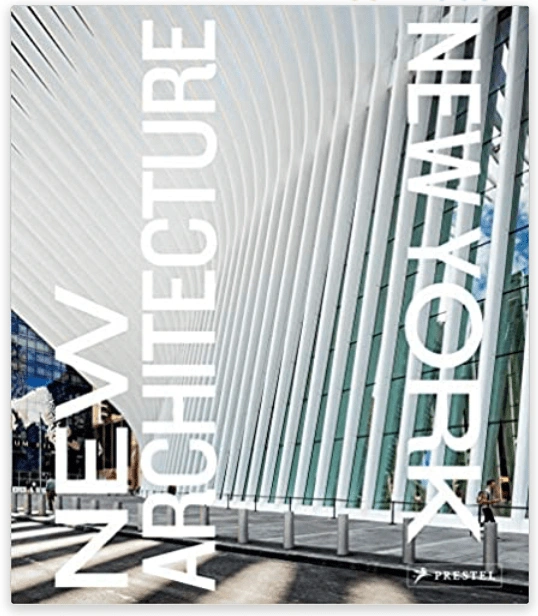
I recommend the “New Architecture” books in their various versions (Los Angeles / New York / London) to see high-quality architectural images in printed editions, PDF, or Ebook formats.
Aerial Architectural Photography
A few years ago, to capture aerial architectural photography, it was necessary to hire a private helicopter to obtain aerial images of buildings.

Las marcas de drones han ido sacando aeronaves muy avanzadas que permiten hacer fotografías aéreas arquitectónicas de muy buena calidad sin la necesidad de poner en riesgo al personal y al piloto para poder tomar algunas imágenes aéreas.
Free Real Estate Photography Courses
There are some courses available in English, but if you prefer one in Spanish, I recommend this Real Estate Photography Course as it is the most comprehensive on the market. It covers everything from beginner to professional levels and includes real case studies of different properties, such as a designer vacation rental home with panoramic sea views, a modern, centrally located newly opened hotel, and a high-end residential property.
In this course, you will learn all the techniques, tips, and strategies for real estate photography, interior photography, and hotel photography from a more commercial perspective. It covers planning, art direction, the photography process, post-production techniques, and even tips on the business side of real estate photography.
It is particularly interesting because it consists of step-by-step video tutorials, which are 100% practical, include real-world examples, and accelerate learning exponentially.

How to Edit Architectural Photographs? (Post-Production)
As with any type of photography, post-production is an important step in creating high-quality images. Therefore, understanding how to edit images in Photoshop, Lightroom, Capture One, or other editing software is essential for any photography professional.
From my perspective, it is crucial to understand when it is appropriate to use these editing tools and how much editing to apply to avoid over-editing, which can make the images look unrealistic.

If you plan to create abstract architectural photographs as an artistic project, you can manipulate your photos as much as you like.
However, architectural photography is often used to document structures and spaces, and in such cases, people, architects, or potential clients will expect your images to be spectacular yet represent reality as closely as possible.
For example, suppose you are photographing buildings to be used by the architect or designer as part of a presentation for an award. Removing a design element from those photos would essentially destroy the architect’s concept and the beauty of the building.
In most cases, it is an accepted practice to make small changes (like removing a distracting power outlet or eliminating an oil stain on the asphalt).
Therefore, if you are photographing architecture for a client, it’s a good idea to discuss in advance what types of photo edits are acceptable.
How to Publish Your Architectural Images in Magazines?
You might be interested in this article about publishing images in architectural magazines.
In this article, you’ll discover the 9 steps and 1 professional secret for publishing your work in decoration, interior design, and architectural magazines, as well as media outlets, for free.

Architectural and Landscape Photography (Architectural Cityscape)
Urban landscape photography is a form of architectural landscape photography where the city unfolds before you. You might be familiar with the English term “Cityscape.” This combines structures such as buildings, bridges, and skyscrapers with natural elements, like a river, for example.

© Nacho Villa
Water can also work well in this technique, as it adds a natural texture to the image. Try photographing the city just after sunset, during the blue hour, when images tend to be more striking.
The astronomical twilight, or blue hour as it is popularly known among specialists, can add a beautiful contrast to the sky, right when the city lights turn on.
Get out of bed early and capture the entire city skyline using this technique—you’ll love the results.
How to Become a Professional in Building and Property Photography
Now that you’re familiar with some of the basics, the best architectural photography tips, and a few architectural photography specialists, you might feel inspired to explore this exciting professional career path.

It’s true that starting down this path can be easier than you think.
If you’re looking for a way to improve your skills, it’s worth learning through hands-on training and real-world cases, such as those offered in real estate photography courses.
There are also some free guides and architectural photography courses like this one—don’t forget to share it so it can reach more people.
Finally, the most important thing you can do is start building your own online portfolio that includes a wide variety of photographs of structures and properties.
Once you have your own website showcasing your skills to potential clients, you can start seeking out interesting architecture projects.

If you want to stay up-to-date with the latest in architectural photography, I invite you to follow me on social media!
By following me, you’ll get access to inspiring architectural content, behind-the-scenes moments, tips, techniques, and updates about my latest projects. I love connecting with like-minded people, so don’t hesitate to send me a message and share your thoughts—whether it’s about what you’ve learned, ideas you’ve discovered, or simply how this guide has inspired you.
I look forward to hearing from you and building a community where we can grow and learn together through a shared passion for architectural photography. Let’s keep the conversation going!.
Thank you for making it all the way to the end! I truly hope you enjoyed this Architectural Photography Guide and found it valuable.
If you found this resource helpful, I would greatly appreciate it if you could share the link to this page with your friends and colleagues through social media. Spreading the word helps us all grow together and makes this content available to more people who share a passion for photography.
👉 You can also follow me on Instagram at @nachovillafoto, where I share hundreds of architectural images, behind-the-scenes stories, and daily insights into my work and everything related to the world of architectural photography.
Let’s connect and continue exploring this exciting journey together! See you there! 🌟📸